

Dental implants are an unparalleled dental restoration. By attaching to your jawbone, implants offer a long-lasting, solid, natural-looking prosthetic that will make you forget you even have a replacement tooth. However, people looking for dental implants often suffer from severe bone loss. For this reason, a sinus lift in New York is necessary beforehand.
What Is a Sinus Lift?
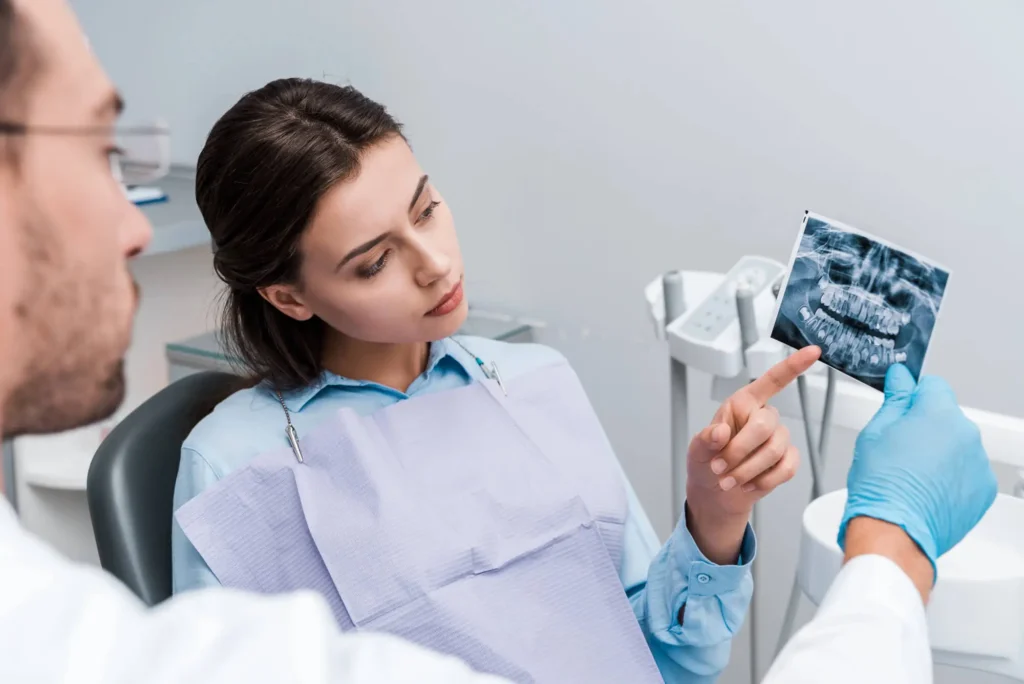
A sinus lift is a common procedure to prepare someone for dental implants, restore lost bone, and prevent a more aged look in the upper mandible area. It involves augmenting or raising the maxillary sinus to create more space for new bone.
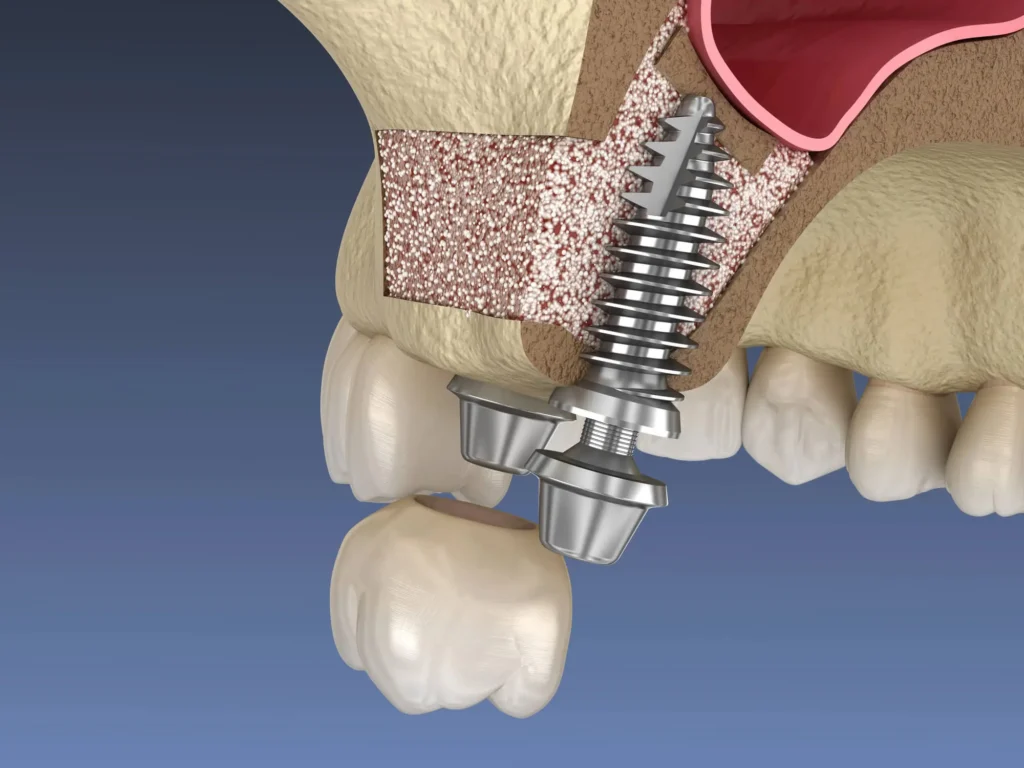
Situated just above the rear part of the maxilla, or upper jaw, are air-filled cavities called maxillary sinuses. By lifting the sinus and grafting bone in between, more bone can be available to place a dental implant.
Dental implants are intended to integrate into the surrounding bone to achieve a more solid base. However, some people don’t have enough bone tissue in their upper jaw to support an implant. When this happens, the implant can’t anchor properly, becoming unstable and unable to perform more demanding tasks, such as chewing.
What’s the Difference Between a Sinus Lift and a Bone Graft?
While both a sinus lift and a bone graft are procedures used to build up bone in the jaw, especially before placing dental implants, they differ in location, technique, and purpose.
Bone grafts help rebuild or add bone in any jaw area and involve placing bone material directly into deficient areas. On the other hand, a sinus lift adds bone beneath the sinus in the upper back jaw, lifting the sinus membrane and placing the bone underneath it.
Unlike bone grafts, it’s a much more delicate procedure due to proximity to the sinus cavity. Additionally, dental implants are only necessary in the upper premolar/molar region.
When Is a Sinus Lift Necessary?
Bone resorption is a natural process in which the jawbone degrades and is reabsorbed into the bloodstream. However, certain issues and diseases can hasten this process, necessitating a sinus lift before implant placement.
Some reasons you might not have enough upper jawbone tissue are:
- Aging can cause bone loss and enlarged, or pneumatized, sinuses.
- Periodontal disease can cause bone loss.
- You lost your original tooth some time ago, and the surrounding bone has shrunk.
- You have a naturally small jaw or a large sinus cavity.
Depending on the severity of the bone loss and the number of implants required, you may not need a sinus lift. If you intend to get one or more implants, your oral surgeon or periodontist will determine whether you require this procedure.
The Step-by-Step Process for Getting a Sinus Lift
The sinus lift process is a complex surgery that involves several steps:
1. Initial Consultation and Examination
The first step is to consult with a dental professional, usually a periodontist or oral surgeon. During this visit, the dentist will take a complete medical and dental history examination and review any risk factors or health conditions that might affect surgery.
Imaging tests like X-rays or CBCT scans (Cone Beam Computed Tomography) are taken at this stage. These tests help assess the quality and quantity of the existing bone and the exact location of the maxillary sinuses. A sinus lift will be recommended if the bone is too thin or low in volume, and the sinus is too close to the implant area.
2. Treatment Planning
After the examination, the dentist creates a custom treatment plan based on your situation and expected outcomes. We will choose the type of bone graft material (your own bone, donor bone, or synthetic material) and schedule the ideal procedure date.
Sometimes, the sinus lift and dental implant placement can be done in one treatment if there is still enough bone height. In most cases, the sinus lift is performed first, and the implant is placed after several months of healing.
3. Preparing for Surgery
Before surgery, you may be given:
- Preoperative antibiotics to prevent infection.
- Instructions to stop smoking, as it interferes with healing.
- Guidelines on eating and drinking (fasting before if sedation will be used).
The procedure can be performed under local anesthesia, conscious sedation, or general anesthesia, depending on the complexity and your comfort level.
4. Performing the Sinus Lift Procedure
On the day of surgery, the sinus lift procedure follows these steps:
- First, a small incision is made in the gum tissue where the implant is planned. The gum tissue is lifted to expose the underlying jawbone.
- Then, a dental drill creates a small oval or circular window in the lateral wall of the maxillary sinus. The thin sinus lining (also known as the Schneiderian membrane) becomes visible through this window.
- The membrane is gently detached from the bone and pushed upward (lifted), creating a space between the sinus floor and the lifted membrane.
- Then, the space is filled with bone graft material.
- Once the graft is in place, the gum tissue is repositioned and sutured closed.
5. Recovery and Healing
Postoperative care is crucial to ensure proper healing. After the procedure, swelling, mild discomfort, and minor bleeding for several days are common. You can use ice packs to reduce swelling. Additionally, over-the-counter painkillers and antibiotics are often prescribed to manage the pain.
Besides these indications, you’ll be advised to:
- Avoid blowing your nose for 12 weeks.
- Sneeze with your mouth open to avoid pressure on the sinuses.
- Avoid using straws or smoking.
- Follow a soft-food diet for several days.
Healing time usually takes 4 to 9 months, depending on the graft material and your body’s healing ability. This period allows the grafted bone to integrate with your natural bone.

Get a Successful Sinus Lift in New York
When performed by experienced professionals, a sinus lift is a highly predictable and safe procedure. Although it adds time to the overall implant treatment process, it greatly improves the chances of successful, long-lasting implants in the upper jaw.
If you’re considering dental implants and have limited bone in the upper jaw, the team at Dr. Geoffrey Rubinshtein can help. Contact us today, and let’s find the best solution for you!