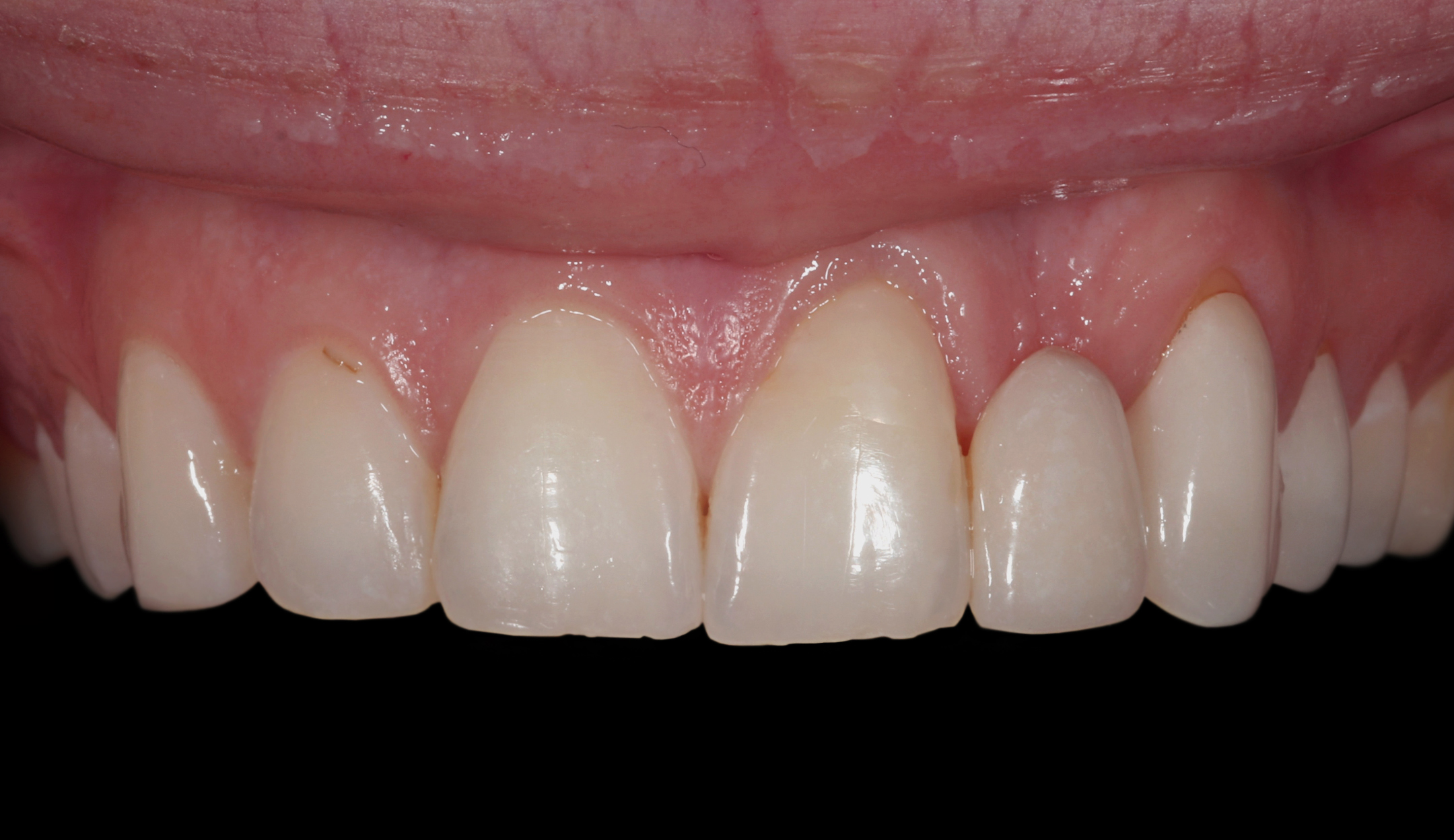
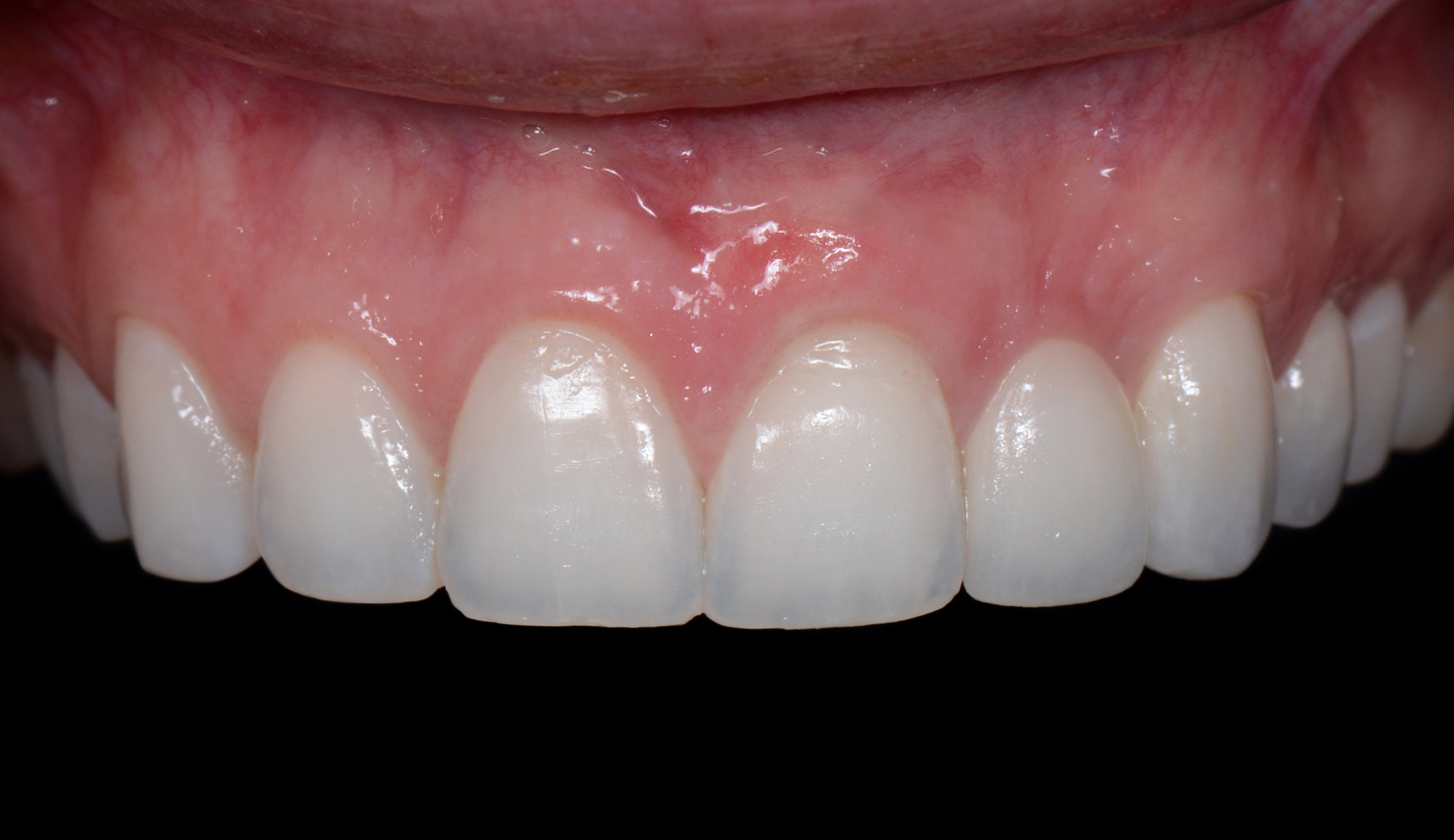
Gum Grafting NYC

RECEDING GUM SPECIALISTS
Home > Services > Gum Grafting NYC

About Gum Grafting in New York

Receding gums can change the appearance of your smile and compromise your oral health. When gum tissue pulls away from the teeth, roots become exposed, leading to sensitivity, an increased risk of decay, and even potential tooth loss. At Dr. Geoffrey Rubinshtein Periodontics & Implantology, we provide advanced gum grafting in NYC to restore gum coverage and protect vulnerable teeth.

Gum grafting is a proven surgical procedure that replaces lost tissue and strengthens the gumline. Our goal is to improve the look of your smile and give you long-term stability and comfort. We help patients achieve healthier gums, stronger teeth, and renewed confidence with tailored treatment plans.

What is Gum Grafting?

Gum grafting is a periodontal surgical procedure designed to repair areas of gum recession by adding new tissue to the affected site. The graft replaces or augments missing gum tissue, protecting the tooth root and creating a healthier, more even gumline.

There are several approaches to gum grafting, each suited to specific conditions. In many cases, tissue is taken from the patient’s own palate (roof of the mouth) and transplanted to the recessed area. In other cases, donor tissue or specially processed grafting material may be used, providing excellent outcomes without the need for a second surgical site.

The goals of gum grafting include:

  • Covering exposed tooth roots.
  • Reducing sensitivity caused by recession.
  • Preventing further tissue and bone loss.
  • Improving gumline aesthetics.

Gum grafting is a common treatment periodontists recommend when gum recession threatens oral health or aesthetics. At Dr. Geoffrey Rubinshtein Periodontics & Implantology, we evaluate each patient carefully to recommend the most suitable grafting technique. By using precise methods and modern tools, we ensure the graft integrates successfully, restoring both health and appearance.

What Are the Causes of Gum Recession?

Gum recession develops gradually and may go unnoticed until teeth appear longer or sensitivity occurs. Several factors can contribute:

  • Periodontal disease – The most common cause, gum disease destroys supporting tissue and bone.
  • Aggressive brushing – Using a hard-bristled toothbrush or brushing too forcefully can wear away gum tissue.
  • Genetics – Some people inherit thinner or weaker gum tissue, making them more prone to recession.
  • Hormonal changes – Shifts during pregnancy, menopause, or other life stages can make gums more vulnerable.
  • Misaligned teeth or orthodontics – Teeth positioned outside the arch may strain surrounding gums.
  • Teeth grinding or clenching – These habits put excessive pressure on gums and bone.
  • Tobacco use – Smoking or chewing tobacco weakens gum tissue and impairs healing.

If gum recession is not addressed, exposed roots can lead to discomfort, a higher risk of decay, and loss of supporting bone. Early intervention is key to preventing further damage. Gum grafting provides a long-term solution by reinforcing the gumline and protecting the teeth from ongoing harm.

What Are The Signs You May Need Gum Grafting?

Patients often notice changes in their gums before they realize recession is occurring. Signs that gum grafting may be necessary include:

  • Exposed tooth roots that look darker or more yellow than the enamel.
  • Increased sensitivity to hot, cold, or sweet foods.
  • Longer-looking teeth, a common cosmetic concern.
  • Gumline irregularities, such as uneven levels across different teeth.
  • Visible notches where the gum has worn away from the root.
  • Frequent inflammation or bleeding, often linked to underlying gum problems.

In addition to these symptoms, your periodontist may recommend gum grafting if bone loss is detected around the teeth. Gum grafting is not only cosmetic but also vital in stabilizing oral health. Dr. Geoffrey Rubinshtein Periodontics & Implantology uses comprehensive exams and imaging to determine when gum grafting is the best option for protecting your smile.

Request Consultation

    Working Hours

    Monday-Friday9am-5pm
    SaturdayClosed
    SundayClosed

    What Are The Types of Gum Grafting Procedures?

    There are several types of gum grafting techniques, each suited to different patterns of recession and patient needs.

    • Connective tissue graft – The most common technique. A small flap is created in the roof of the mouth, and connective tissue beneath the surface is taken and secured over the recessed area. This graft integrates naturally and provides reliable root coverage.
    • Free gingival graft – In this method, tissue is taken directly from the palate’s surface and placed over the recession site. This is often recommended for patients with very thin gums who need additional thickness to resist future recession.
    • Pedicle graft – Instead of taking tissue from the palate, the periodontist repositions nearby gum tissue to cover the exposed root. This technique requires adequate gum tissue around the affected tooth and offers excellent blood supply for healing.
    • Donor or synthetic grafts – In certain cases, processed donor tissue or grafting material may be used, eliminating the need for tissue harvesting from the patient’s own palate. These grafts are safe, effective, and provide predictable outcomes.

    Each technique has its advantages, and the choice depends on the amount of recession, gum thickness, and the patient’s overall oral health. At Dr. Geoffrey Rubinshtein Periodontics & Implantology, grafting procedures are customized to ensure both function and aesthetics are restored.

    How to Prepare for Gum Grafting

    Preparation is an important step for a successful gum graft. During your consultation, your periodontist will:

    • Review your medical history and current medications.
    • Examine your gums and teeth to assess the severity of recession.
    • Take imaging or measurements to plan the graft precisely.

    Before surgery, you may be advised to:

    • Adjust medications if they could affect healing.
    • Arrange transportation, as sedation may be recommended for comfort.
    • Plan for downtime, as you’ll need to eat softer foods and rest during the early healing period.
    • Stop smoking, since tobacco interferes with healing and graft success.

    Clear instructions are provided so you feel confident and ready for your procedure. At Dr. Geoffrey Rubinshtein Periodontics & Implantology, we prioritize preparation because it lays the foundation for smooth surgery and optimal recovery.

    The Gum Grafting Procedure

    Gum grafting is performed under local anesthesia, with sedation available for patients who prefer added comfort. The process generally follows these steps:

    1. Numbing the area – Local anesthesia is applied to ensure the procedure is painless.
    2. Preparing the site – The affected area of recession is gently cleaned and shaped.
    3. Harvesting tissue – Depending on the chosen method, tissue may be taken from the palate, nearby gums, or donor material.
    4. Placing the graft – The graft is carefully positioned over the exposed root and secured with sutures.
    5. Stabilizing the area – Protective coverings or dressings may be applied to aid healing.

    The procedure typically takes one to two hours, depending on the number of teeth involved. Most patients are surprised by how comfortable the process feels, especially with modern tools and sedation options.

    At Dr. Geoffrey Rubinshtein Periodontics & Implantology, precision is the focus. Each graft is placed with care to ensure functional stability and natural-looking results.

    What to Expect After Gum Grafting

    Recovery is an important part of gum grafting, and healing usually takes one to two weeks. Patients may experience mild soreness or swelling, which can be managed with prescribed medication or over-the-counter pain relief.

    During the first week, you may be advised to:

    • Eat soft foods such as yogurt, eggs, pasta, or smoothies.
    • Avoid brushing the grafted area until cleared by your periodontist.
    • Rinse gently with a prescribed mouthwash instead of flossing or brushing the surgical site.
    • Limit physical activity to avoid disturbing the graft.

    Follow-up appointments are scheduled to monitor progress and remove sutures if necessary. Over time, the graft integrates with surrounding tissue, restoring coverage and stability.

    Most patients notice reduced sensitivity and a healthier gumline within weeks. Complete healing and full cosmetic improvement continue over several months, leaving the gumline stronger and more resilient.

    What Are The Benefits of Gum Grafting?

    Gum grafting offers both functional and cosmetic benefits:

    • Protects tooth roots – Reduces the risk of decay and sensitivity.
    • Prevents further recession – Stabilizes the gumline to protect teeth long term.
    • Improves appearance – Creates a balanced, even smile.
    • Supports dental work – Strengthens gums for procedures such as crowns, bridges, or implants.
    • Boosts confidence – Healthier, more attractive gums enhance overall self-esteem.

    At Dr. Geoffrey Rubinshtein Periodontics & Implantology, patients choose gum grafting not just for oral health, but also for the lasting improvement in comfort and aesthetics.

    What Are the Risks and Considerations?

    As with any surgical procedure, gum grafting carries some risks, though complications are uncommon when performed by an experienced periodontist. Potential concerns include:

    • Bleeding or swelling in the days following surgery.
    • Infection at the graft or donor site.
    • Graft failure, where tissue does not integrate as expected.
    • Discomfort at the palate if tissue is harvested from that area.

    Proper planning, advanced techniques, and attentive follow-up care minimize these risks. Patients are given clear instructions to support healing and reduce complications.

    You can expect safe treatment and predictable results by choosing a skilled periodontal team like Dr. Geoffrey Rubinshtein Periodontics & Implantology.

    Gum Grafting vs. Alternative Treatments

    While gum grafting is a proven method for treating recession, alternatives may be appropriate in certain cases.

    • Pinhole Surgical Technique – A minimally invasive method where small entry points are made in the gums and tissue is gently repositioned over exposed roots. This option can reduce recovery time but may not be suitable for all cases.
    • Soft tissue substitutes – Donor or synthetic materials may replace the need for harvesting tissue from the patient’s palate. These options can be effective and reduce discomfort.
    • Non-surgical management – In very mild cases, improved hygiene, scaling, and monitoring may be recommended instead of surgery.

    Your periodontist will explain whether alternatives can provide the same long-term stability as grafting. For many patients, traditional gum grafting remains the most predictable method.

    How Can You Prevent Future Gum Recession?

    After gum grafting, prevention plays a critical role in protecting your results. Key strategies include:

    • Gentle brushing – Use a soft-bristled toothbrush and light pressure.
    • Daily flossing – Clean between teeth carefully without snapping floss into the gums.
    • Regular cleanings – Professional checkups every 3–4 months if you have a history of gum problems.
    • Healthy lifestyle choices – Stop smoking, limit alcohol, and eat a balanced diet.
    • Managing clenching or grinding – Nightguards can reduce pressure on gums and bone.

    At Dr. Geoffrey Rubinshtein Periodontics & Implantology, preventive care is emphasized after treatment. By following recommended habits, you can maintain the stability of your gum graft and reduce the chance of future recession.

    Who Is a Candidate for Gum Grafting?

    Candidates for gum grafting include patients with exposed roots, significant sensitivity, or gum recession that compromises function or aesthetics. It is also recommended for those preparing for restorative or cosmetic treatments that require stable gum support.

    Good candidates should have overall healthy oral tissues and be committed to maintaining their results with proper care. Patients with uncontrolled medical conditions or poor oral hygiene may need to address these issues before undergoing grafting.

    A consultation at Dr. Geoffrey Rubinshtein Periodontics & Implantology determines whether gum grafting is the right choice and which technique is most suitable.

    Restore Your Smile with Gum Grafting in NYC

    Receding gums can affect both the appearance and health of your smile. Gum grafting in NYC gives patients access to advanced care that restores coverage, protects teeth, and provides lasting comfort. At Dr. Geoffrey Rubinshtein Periodontics & Implantology, we specialize in procedures that combine precision with compassionate care.

    If you’ve noticed sensitivity, exposed roots, or changes in your gumline, it may be time to consider gum grafting. Call our office at (718) 516-3557 or request an appointment online to schedule your consultation. Together, we’ll create a personalized plan to restore your gum health and protect your smile for years.
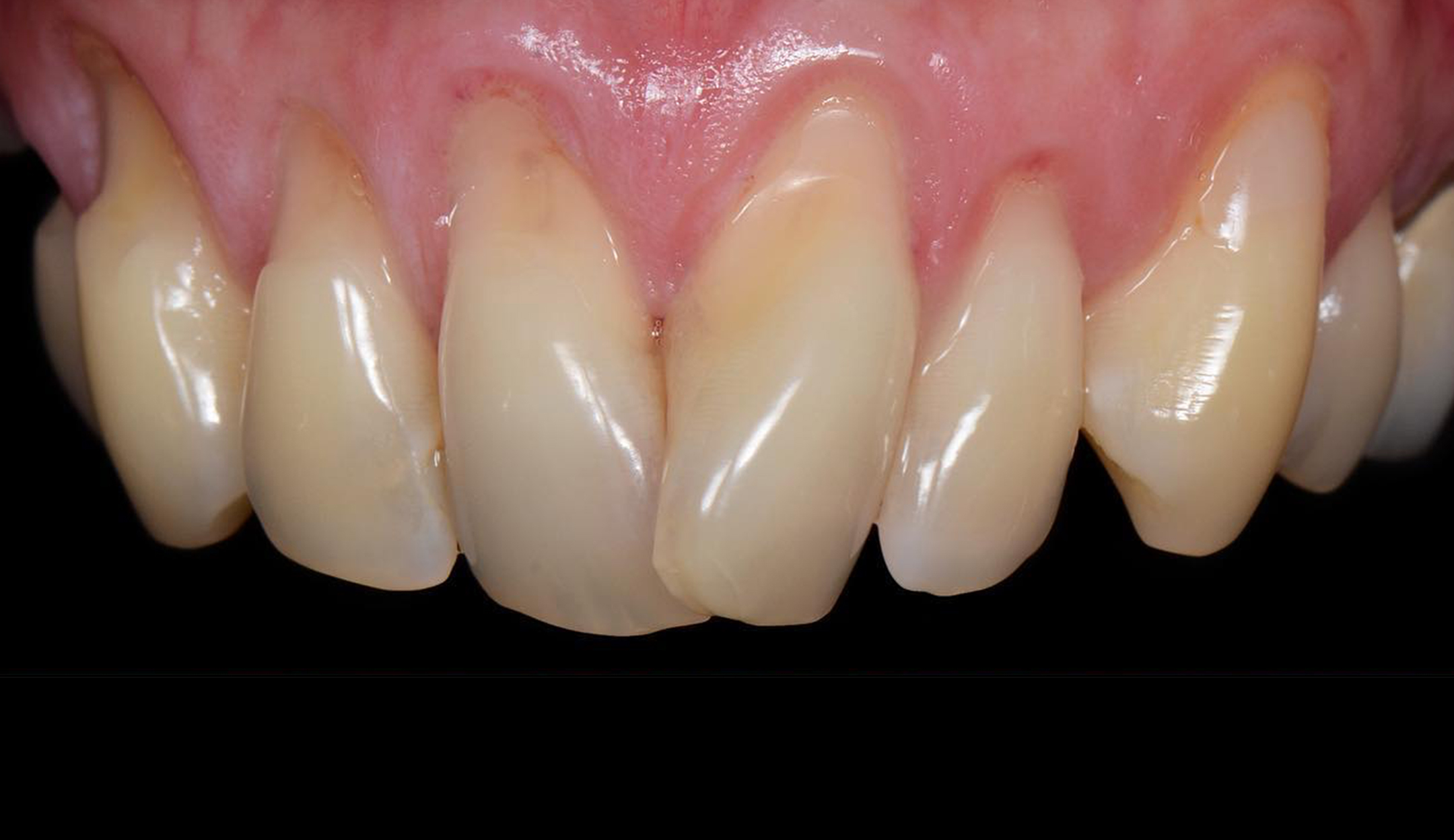
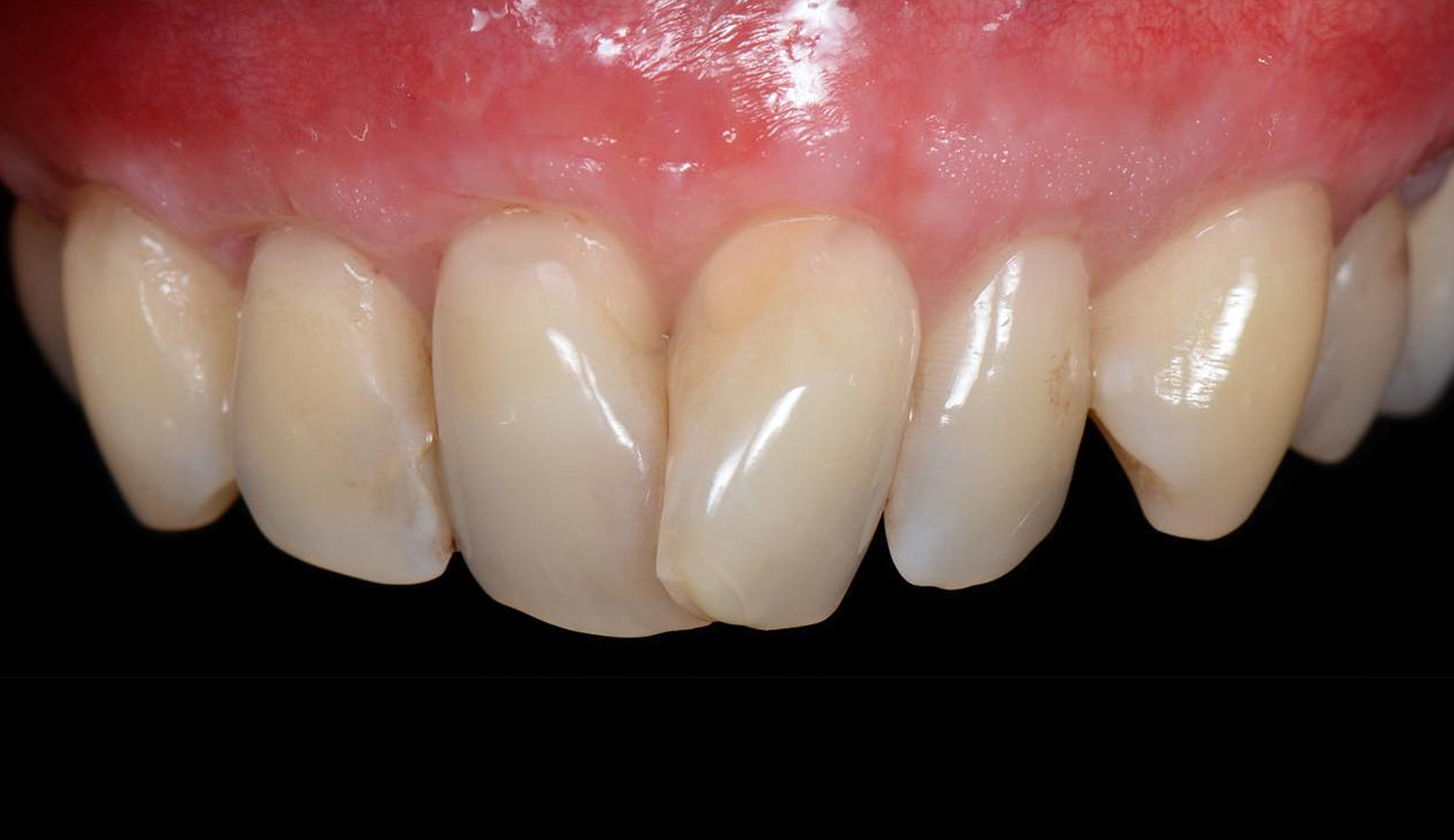
    Close-up of teeth with gold dental crowns on upper gums.

    Frequently Asked Questions

    Q: Is gum grafting painful?

    A: The procedure is performed under local anesthesia, with sedation available. Mild discomfort afterward is managed with medication and typically resolves within days.

    Q: How long does it take to recover?

    A: Initial healing takes one to two weeks, with full integration occurring over several months. Patients usually return to normal routines within a few days.

    Q: Will the results last?

    A: Yes. With proper care and maintenance, gum grafts provide long-term stability and protection.

    Q: Can multiple teeth be grafted at once?

    A: Yes. Depending on the case, grafting can be done on several teeth during one appointment.

    Q: Are donor grafts safe?

    A: Donor tissue and substitutes are carefully processed and sterilized, making them a safe alternative to patient tissue.

    Q: Does insurance cover gum grafting?

    A: Coverage varies depending on your plan and whether treatment is deemed medically necessary. Our office assists in determining benefits.

    Q: How successful is gum grafting?

    A: Success rates are very high when performed by experienced periodontists. Patients benefit from predictable results that improve both health and appearance.

    Request Consultation

      Working Hours

      Monday-Friday9am-5pm
      SaturdayClosed
      SundayClosed

      What Our Patients Say

      SCHEDULE A CONSULTATION FOR
      Gum Grafting
      Phone call, step 1. Consul, step 2. Treatment, step 3. Post Op, step 4. Maintenance, Step 5.
      Phone call, step 1. Consul, step 2. Treatment, step 3. Post Op, step 4. Maintenance, Step 5.
      Get Directions
      Find us on maps
      Request Consult
      Your dream smile awaits
      Contact Information